

Airbnb is one of the most popular ways to earn income on the side—there are over 5 million hosts on Airbnb. Starting your own Airbnb business can feel complicated, but it's more approachable than it looks. Here are the six steps to launch one, the keys to standing out, and the common challenges hosts face.
6 steps to starting an Airbnb business
There are a few key steps that are fairly similar for every Airbnb business owner. Keep in mind that local laws differ by state and country, and your Airbnb property will have to comply with local tax laws, occupancy laws, and other rules.
1. Do your research and discover your purpose
The first step is market research. Research successful Airbnb properties in the area where you want to host—see how much hosts are charging per night and what kinds of properties (homes, condos, etc.) are popular.
Airbnb designates certain hosts as Superhosts, who've given above-average experiences to guests (among other criteria). Check the reviews for Superhosts in your area to understand what you'll have to do to compete.
Then budget for expenses and figure out how much monthly income you'll need from the property to cover your mortgage or rent. That helps you build a solid business plan and launch with confidence.
Finally, think about why you're starting your Airbnb. No matter what kind of business you want to start, every entrepreneur needs a bigger "why" to fuel them through the highs and lows. Do you want extra income on the side while you work a 9-to-5, or enough passive income to reach financial independence?
2. Choose a property
Time for more research. If you don't already have a property to use, you'll need to acquire one. The most common Airbnb listings are houses, apartments, condos, and townhomes, but there are wild ones too—yurts, ice hotels, even small islands.
The property you choose depends on how you want to position it. Is it for business travelers, large families, or couples? An everyday rental or a vacation rental?
Airbnb properties aren't always houses—sometimes you can sublease apartments. Make sure subleasing is allowed by the lease you signed with the owner before using an apartment as an Airbnb property.
3. Start your business and learn the local laws
There are several steps to take before listing. First, understand the local laws on short-term and long-term rentals in your area. Does your local government allow short-term rentals like Airbnb?
Your next step is starting a sole proprietorship or a limited liability company (LLC). You can use an online incorporation service to simplify this. These business structures have different rules on asset protection and funding, and you may also need a business license to operate.
You'll also need to understand your taxes. The IRS recognizes Airbnb income and expenses as legitimate, so track what you spend setting up your listing and what you earn from bookings. It's a good idea to set up a separate business bank account for your Airbnb.
The other local laws to understand are zoning laws, occupancy rules, and insurance requirements. Following them helps things go smoothly if there's ever an accident, property damage, or a claim.
Looking for a business bank account for your Airbnb business? Check out the best banks for real estate investors.
4. Prepare your property
Now prepare your property for rental. Make sure it follows a theme or is generally agreeable in aesthetic—clashing colors and patterns can make your Airbnb less desirable.
Make your property accessible to as many guests as possible. Does it have parking? A way in for wheelchair users? Rails in the bathrooms? These factors may cost more upfront but pay off over time.
As an extra benefit, stock your property with basic necessities like toiletries, kitchen items, and spare linens for a more comfortable guest experience.
5. Create your Airbnb listing
It's finally time to create your listing. Use high-quality photos, detailed descriptions, and search keywords—consider hiring a professional photographer for the best photos.
Include a detailed list of house rules and check-in details to make booking as smooth as possible. Inside the home, create a house manual with the house rules, WiFi information, and check-out policy so guests can find it easily. Your listing should be transparent, informative, and accurate to the property.
6. Transition to passive income earnings
Now you may be wondering how to turn your Airbnb from a full-time job into a passive income side hustle. You can do this by hiring employees and contractors to manage your property.
Hiring cleaning services saves you time and money after guests check out. You'll also want maintenance services on call in case something goes wrong while you're unavailable.
If you want a catch-all solution, hire a property management company to handle cleaning, maintenance, and anything else that comes up. You'll just respond to booking messages.
Keys to success with an Airbnb business
Airbnb is full of great listings and hosts. If you want to start an Airbnb business that stands out, here are a few things that set you up for success.
Become a Superhost
Airbnb Superhosts have reached a certain level of bookings and satisfaction ratings. It's an automatic process run by Airbnb every three months—no manual application needed.
As a Superhost, your listings come with a higher recommendation to potential guests and get highlighted on the site. To get there, be very responsive to questions and deliver a great guest experience. Over time, with enough positive reviews, you'll qualify.
Don't forget to market yourself
Starting an Airbnb business is like starting any other small business, so treat it that way. Marketing increases your total bookings. Consider advertising on social media (without the actual address) and encourage potential guests to ask questions about the property.
Hosts agree that professional photography takes a listing to the next level—it helps guests feel confident booking and shows your property in a positive light.
Be strategic with pricing
Pricing is difficult for first-time hosts. Look at similar Airbnbs in the area and use your budget to determine a minimum price. You can always change your price to reflect demand—a beachside rental costs much more in summer.
Airbnb also has a tool called Smart Pricing that takes dozens of factors into account and adjusts your prices automatically. You can still set minimum and maximum prices and fix specific prices for specific nights.
Manage your money efficiently
Cash flow is the lifeblood of any successful business. Create a monthly budget for your Airbnb and keep expenses in check—especially early on, when it may take time to attract your first customers.
One of the best ways to manage Airbnb cash flow is the Profit First method. With Profit First, you set aside a percentage of income for profit each month (in a separate account) before paying expenses. That helps ensure your business is profitable from day one, even if you can only set aside a small percentage at first.
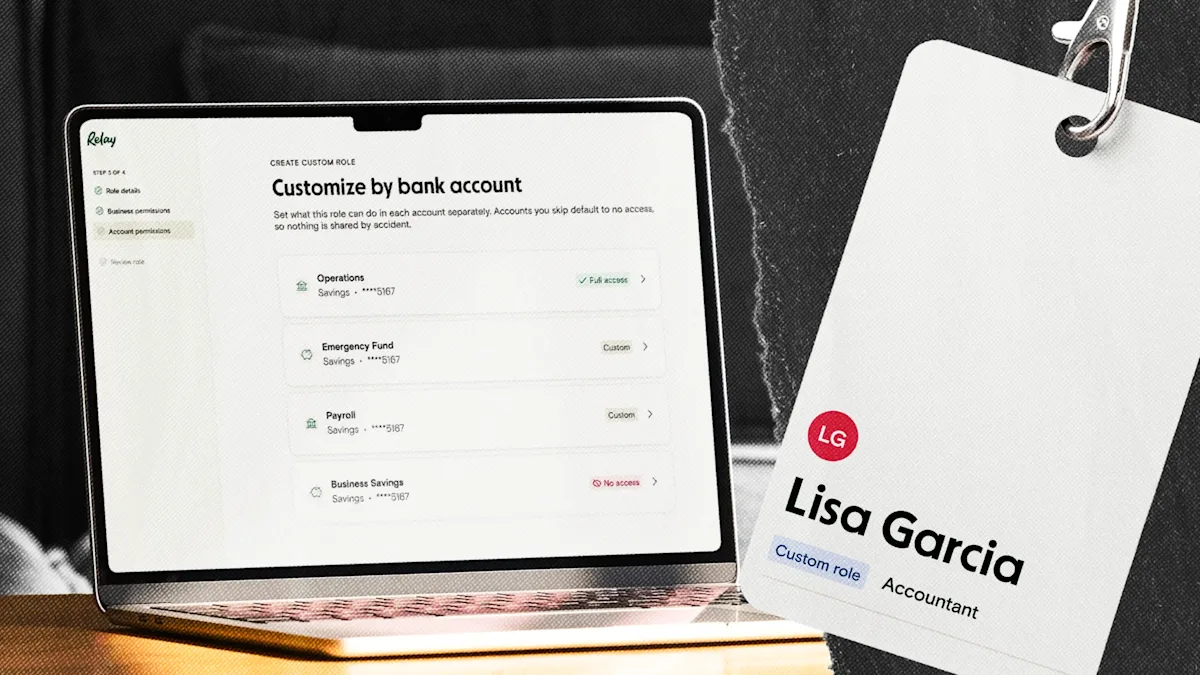
With the online banking platform Relay, you can open individual, dedicated accounts for profit, income, expenses, and other categories, with no monthly maintenance fees—and open your account entirely online.
Automate your business
Beyond Smart Pricing, other tools make your earnings more passive. Scheduled messaging automatically sends guests welcome notes, reminders, and thank-yous. Quick reply saves time answering frequent guest questions like the WiFi password or where to park. Instant Book syncs with your calendar so guests can book available dates without you approving each one.
Want more ways to automate your Airbnb business? Check out these AI tools for small businesses.
Do you need a business bank account for your Airbnb?
Yes—open a separate business bank account before you take your first booking. Mixing Airbnb income and expenses with your personal money makes bookkeeping painful and muddies the tax picture, since the IRS treats Airbnb income and expenses as a legitimate business. A dedicated account keeps rental income, cleaning and maintenance costs, and your profit set-aside clearly separated. If you run more than one property, a separate account per property shows you which one actually earns its keep. Relay lets you open multiple checking accounts with no monthly maintenance fees, so you can give each property—or each Profit First category—its own account.
Potential challenges with Airbnb businesses
Like any business, you'll run into challenges running an Airbnb. Here are common obstacles and how to handle them.
Bad ratings
Most bad ratings come from misunderstandings or miscommunication about the property. Check in with guests and make sure they're comfortable throughout their stay. If they have questions or concerns, resolve them before they turn into a bad review.
Destruction of property
It's not common, but it happens—some guests don't respect others' property. To prevent it, check guests' reviews from other hosts and make sure they have contact information and profile pictures, which makes it more likely a guest is legitimate.
Few bookings
As you start out, you may get few bookings and few reviews. To counter this, try lowering your prices for the first few bookings to encourage guests to try your space.
The bottom line
Starting an Airbnb business might feel overwhelming at first, but with the right strategies, tools, and mindset, it can thrive. Every Superhost began right where you are today. By staying dedicated, focusing on a great guest experience, and managing your finances wisely, you're laying the groundwork for a successful business.
Relay is an online banking and money management platform that lets small business owners open multiple business checking and savings accounts with no monthly maintenance fees—so you can separate rental income, expenses, and profit from day one. Open a Relay account to set up your Airbnb finances before your first booking.
Frequently asked questions
Why has Airbnb become so popular over the last few years?
Airbnb is flexible for hosts. You can host properties—where guests rent your space for short or long stays—or Airbnb experiences, where you lead local activities like food tours. For people with multiple properties, it's quick to set up and easy to maintain for unused space, and you control who stays and when.
Where does your income come from with an Airbnb business?
The main source is the nightly rate guests pay when they book, which can fluctuate by season or based on your research. Startup costs come from fixing up and furnishing the property; recurring costs include cleaning, maintenance, and restocking guest necessities.
How can I boost my Airbnb business?
Improving an Airbnb business is a slow and steady process. Use social media to advertise, and focus on the guest experience so every stay is pleasant—positive reviews drive future bookings.
Do you need an LLC to start an Airbnb business?
No, you don't need an LLC to host on Airbnb—you can operate as a sole proprietor. But many hosts form an LLC for liability protection, separating personal assets from the rental business. Whether it's worth it depends on your risk, number of properties, and state filing costs, so it's worth a quick chat with an accountant or attorney.
How much does it cost to start an Airbnb business?
It varies widely. If you already own the property, startup costs are mostly furnishing, décor, accessibility improvements, professional photos, and any licensing or LLC filing fees. If you're acquiring property, that's the largest cost. Budget for recurring cleaning, maintenance, restocking, and Airbnb's host service fee, which is deducted from each booking.
Do you need a business bank account for an Airbnb?
It's strongly recommended. A separate business account keeps your rental income and expenses cleanly divided from personal money, simplifies tax time, and—if you have multiple properties—lets you track each one's profitability in its own account.